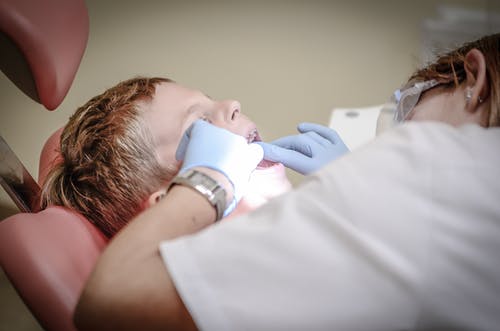
It usually happens in a split second. You bite into a piece of crusty bread, an olive pit, or a stray popcorn kernel, and something gives. Maybe you feel a sharp zing. Maybe you only notice a rough edge with your tongue. Either way, a cracked tooth tends to bring a rush of questions. Is this serious? Can it wait until Monday? Will the tooth have to come out?
This guide walks through what to do in the first minutes and hours, how to tell one kind of crack from another, what dentists can do to save a damaged tooth, and the situations where replacement becomes the sensible choice. The goal is to help you make calm, informed decisions at a moment when it is easy to feel rattled.
What to Do in the First Few Minutes After a Tooth Cracks
Start with the simple things. Rinse your mouth gently with warm water to clear away debris and any blood. If part of the tooth has broken off, pick up the piece if you can find it, and keep it in a clean container or wrapped in a damp piece of gauze. Your dentist may be able to use it, and at the very least it helps them understand what happened.
If your cheek, lip, or gum is swollen, hold a cold compress against the outside of your face for ten minutes at a time. Cold helps with swelling and takes the edge off throbbing. If there is bleeding, press a clean piece of gauze against the area until it slows.
Then call a dental office. Even when the pain is mild, a crack deserves a professional look. Teeth do not heal themselves the way a broken bone can, and a small fracture can travel deeper over time. Describing what you feel and when it happened gives the office what they need to decide how quickly to see you.
Managing Pain and Sharp Edges Until Your Appointment
Over-the-counter pain relievers can help while you wait, as long as you follow the label directions and they are safe for you given your health history and any other medicines you take. If you are unsure, a pharmacist can answer that question quickly.
A jagged edge can cut your tongue or cheek. Dental wax from a pharmacy can cover it temporarily. In a pinch, a piece of sugar-free gum pressed over the edge does a similar job. Avoid anything sticky or hard, and skip superglue or any household adhesive. These products are not made for the mouth and can complicate the repair.
Chew on the opposite side of your mouth, and steer clear of very hot, very cold, or sugary foods if they trigger sensitivity. Soft, lukewarm foods like yogurt, eggs, and soup are easier on a sore tooth.
How to Tell When a Cracked Tooth Is a Dental Emergency
Not every crack needs a middle-of-the-night phone call, but some signs call for same-day attention. Look out for severe or constant pain, swelling in the face or gums, a bad taste or pus around the tooth, bleeding that does not stop, a tooth that has broken below the gumline, or a fracture that came with a blow to the face. A fever alongside any of these is another reason to be seen quickly, because it can point to infection.
If you have trouble breathing or swallowing, or the swelling is spreading toward your eye or neck, go to an emergency room right away. Those symptoms need medical care first, and the dental repair can follow.
For everything else, it helps to know where you can turn. Many practices keep time open for urgent cases, and some offer fast relief when a dental emergency strikes, which makes a real difference when you are in pain and cannot concentrate on anything else. It is worth finding out ahead of time which dentist near you handles urgent visits, so you are not searching while you are hurting.
Why Teeth Crack in the First Place
Teeth are strong, but they are not indestructible. Enamel is the hardest substance in the body, yet it can still fracture under the right kind of stress. Some of the most common causes include:
- Biting down on hard foods such as ice, hard candy, nuts, or unpopped kernels
- Grinding or clenching, especially during sleep
- Large old fillings that leave less natural tooth structure to support the bite
- Sudden temperature changes, like sipping hot coffee and then chewing ice
- Sports injuries or accidents that involve the face
- A tooth that has had a root canal and no longer has the same internal support
- Age, since teeth accumulate tiny stresses over many years of chewing
Often it is a combination. A tooth with a big filling might handle years of normal chewing, and then one unlucky bite on a hard seed is all it takes. That is why a crack can feel like it came out of nowhere when the groundwork was laid long before.
The Different Kinds of Cracks and What They Mean
Dentists sort cracks into a few broad categories, and the type has a lot to do with what treatment makes sense.
Craze lines
These are very fine lines in the outer enamel. They are common in adult teeth, rarely cause pain, and usually need no treatment beyond keeping an eye on them. Many people have several without ever knowing.
Fractured cusp
A cusp is one of the pointed chewing surfaces of a back tooth. When a piece of it breaks away, often around a filling, the tooth may feel rough and sensitive but the pain is sometimes mild. The nerve is frequently untouched, and the repair is often a filling or a crown.
Cracked tooth
This is a crack that begins at the chewing surface and extends toward the root. It may be hard to see and hard to find with the naked eye. Pain tends to come and go, especially when you bite down and release. Early treatment helps keep the crack from spreading deeper.
Split tooth
A split tooth is what can result when a cracked tooth is left alone. The crack runs through, and the tooth separates into distinct segments. Saving the whole tooth is rarely possible, though sometimes part of it can be kept.
Vertical root fracture
This crack starts in the root and moves upward. It may cause few symptoms at first, and then show up as swelling or an infection around the root. These fractures are often detected on X-rays or 3D imaging, and the tooth often has to be removed.
Hidden Cracks: Symptoms That Are Easy to Overlook
Not every crack announces itself with a dramatic break. A hairline fracture may only reveal itself through patterns. You might notice a twinge when you release a bite rather than when you press down. Cold drinks may cause a quick, sharp response that fades. Pain may show up on some days and vanish on others, which makes it tempting to ignore.
If you have a tooth that behaves this way, mention it at your next visit or book a dedicated appointment. Dentists use several tools to track down the source, including a bite test with a small instrument, a dye that highlights fracture lines, magnification, and imaging. Finding a crack early often means a simpler repair.
What Your Dentist Will Do at the Visit
An appointment for a cracked tooth usually begins with questions. When did it happen? What were you eating? Is the pain constant or only when you chew? Then comes an exam of the tooth, the gums around it, and the neighboring teeth. X-rays help show how deep the damage goes and whether the root or surrounding bone are involved.
Your dentist will explain what they see and walk through the choices. This is a good moment to ask about the outlook for the tooth over the long term, how many visits the treatment will take, and what the costs and payment options look like. A clear treatment plan lets you decide without pressure.
If you are choosing a dentist and want a practice that welcomes urgent concerns, location matters too. Patients in the area often look for a trusted dental practice in River Oaks so they can reach care quickly rather than traveling across the city while in discomfort.
Treatment Options for a Cracked Tooth
The right repair depends on the location of the crack, how deep it goes, and whether the nerve is affected. Common options include:
- Dental bonding: Tooth-colored resin is shaped over a small chip or crack. This works well for minor damage, especially on front teeth.
- Filling or onlay: A larger broken area on a back tooth may be rebuilt with a filling or a custom onlay that restores the chewing surface.
- Dental crown: A crown wraps around the whole visible tooth, holding it together and protecting it from further splitting. It is a frequent choice for cracked back teeth.
- Root canal therapy: If the crack has reached the pulp, the soft inner tissue, a root canal removes the damaged nerve tissue and cleans the inside of the tooth. A crown usually follows.
- Extraction: When a tooth cannot be restored, removal prevents ongoing pain and infection.
Many cracked teeth can be saved, particularly when the problem is caught before the crack extends below the gumline. Keeping your natural tooth is usually the first goal, because it preserves your bite and the bone around the root.
When a Cracked Tooth Needs to Be Replaced
Replacement comes into the conversation when the tooth cannot be restored in a way that will last. Several situations lead there:
- The crack extends well below the gumline, which makes sealing and protecting the tooth very difficult
- The tooth has split into separate pieces
- A vertical root fracture has damaged the root
- Infection has spread into the bone around the tooth and cannot be controlled with a root canal
- Too little healthy tooth structure remains to hold a crown securely
Hearing that a tooth needs to come out can be upsetting. It helps to remember that extraction is a way to stop pain and infection, and that there are good ways to replace a missing tooth afterward. Leaving a gap can let neighboring teeth drift, change how you bite, and allow the jawbone in that area to shrink over time.
Your Options for Replacing a Cracked Tooth
Once a tooth has been removed, you generally have three paths: a dental implant, a bridge, or a removable partial denture.
Dental implants
An implant is a small post, typically titanium, placed in the jawbone to act as an artificial root. After the area heals and the post fuses with the bone, a crown is attached on top. Because the implant sits in the bone, it helps preserve the jaw and does not rely on neighboring teeth for support. If you are curious about how it works for your own situation, an implant dentistry consultation in Houston can cover candidacy, timing, and what the process involves from start to finish.
Dental bridges
A bridge uses crowns on the teeth next to the gap to hold a replacement tooth in between. It can be completed in fewer steps than an implant, though it does involve reshaping the neighboring teeth to hold the crowns.
Partial dentures
A removable partial denture fills in one or more gaps and clips around nearby teeth. It is often the most affordable choice up front, and it may be a good temporary solution while another option is planned.
No single option suits everyone. Your health, your budget, the condition of nearby teeth, and the amount of bone available all play a part. A good dentist will lay out the benefits and trade-offs and let you decide at your own pace.
Questions Worth Asking Before You Decide
When treatment involves a significant decision, a few questions can bring clarity. Ask what the dentist thinks the tooth’s chances are if you try to save it, and what happens if the repair does not hold. Ask how many appointments you should expect and how long each one will last. Ask what the recovery looks like, what you will be able to eat, and when you can return to normal routines.
It is also reasonable to ask about the cost of each option and how payment works. Many offices discuss financing or payment plans, and your insurance may cover part of a crown, a root canal, or an extraction. A written estimate lets you compare choices with a clear head. If sedation would help you feel more at ease, ask whether it is offered, since that can make longer procedures much more comfortable.
Everyday Habits That Protect Your Teeth From Cracking
You cannot prevent every crack, but a few habits stack the odds in your favor.
- Skip the ice and hard candy. Chewing them puts a lot of force on enamel in a single spot.
- Wear a mouthguard for sports. A custom guard from your dentist fits better and is more comfortable than a boil-and-bite model.
- Address grinding. If you wake up with a sore jaw or your partner hears grinding at night, ask about a night guard.
- Use your teeth for eating only. Opening packages, cracking nuts, or holding things in your teeth is an easy way to cause damage.
- Keep up with checkups. Regular exams let your dentist spot worn fillings, weak spots, and early cracks before they become painful.
- Treat decay early. A tooth weakened by a cavity is more likely to fracture.
Good oral hygiene helps too. Brushing twice a day, cleaning between your teeth daily, and visiting your dentist on a regular schedule all keep teeth and gums healthy enough to handle the demands of daily chewing.
Common Questions About Cracked Teeth
Can a cracked tooth heal on its own?
No. Bone can knit back together, but tooth structure does not repair itself. A small craze line may stay stable for years, but a true crack should be evaluated by a dentist.
Is it okay to wait a few days to be seen?
If the pain is mild and there is no swelling, a prompt appointment within a few days is a reasonable plan. Call the office the same day to describe your symptoms so they can advise you on timing. If your symptoms worsen, let them know right away.
Will a cracked tooth always hurt?
Not always. Some cracks cause constant pain, while others only cause discomfort when you bite or drink something cold. Some cause no pain at all until the crack deepens.
Can I whiten or straighten teeth that have cracks?
It is best to have any crack evaluated and treated first. Your dentist can tell you when it is safe to move on to cosmetic work.
A Calm Plan for the Next Time Something Cracks
If a tooth cracks, remember the order of operations: rinse, save any pieces, manage swelling, protect sharp edges, and call a dentist. Watch for signs that call for urgent care, like swelling, fever, or severe pain. At the appointment, ask questions until you feel comfortable with the plan.
Most cracked teeth have a path forward, and many can be saved with a filling, a crown, or a root canal. When replacement is the better choice, today’s options give you a way to restore your bite and your smile for the long term. Acting early gives you the most choices, so a quick call to your dentist is almost always time well spent.